An exciting roller coaster

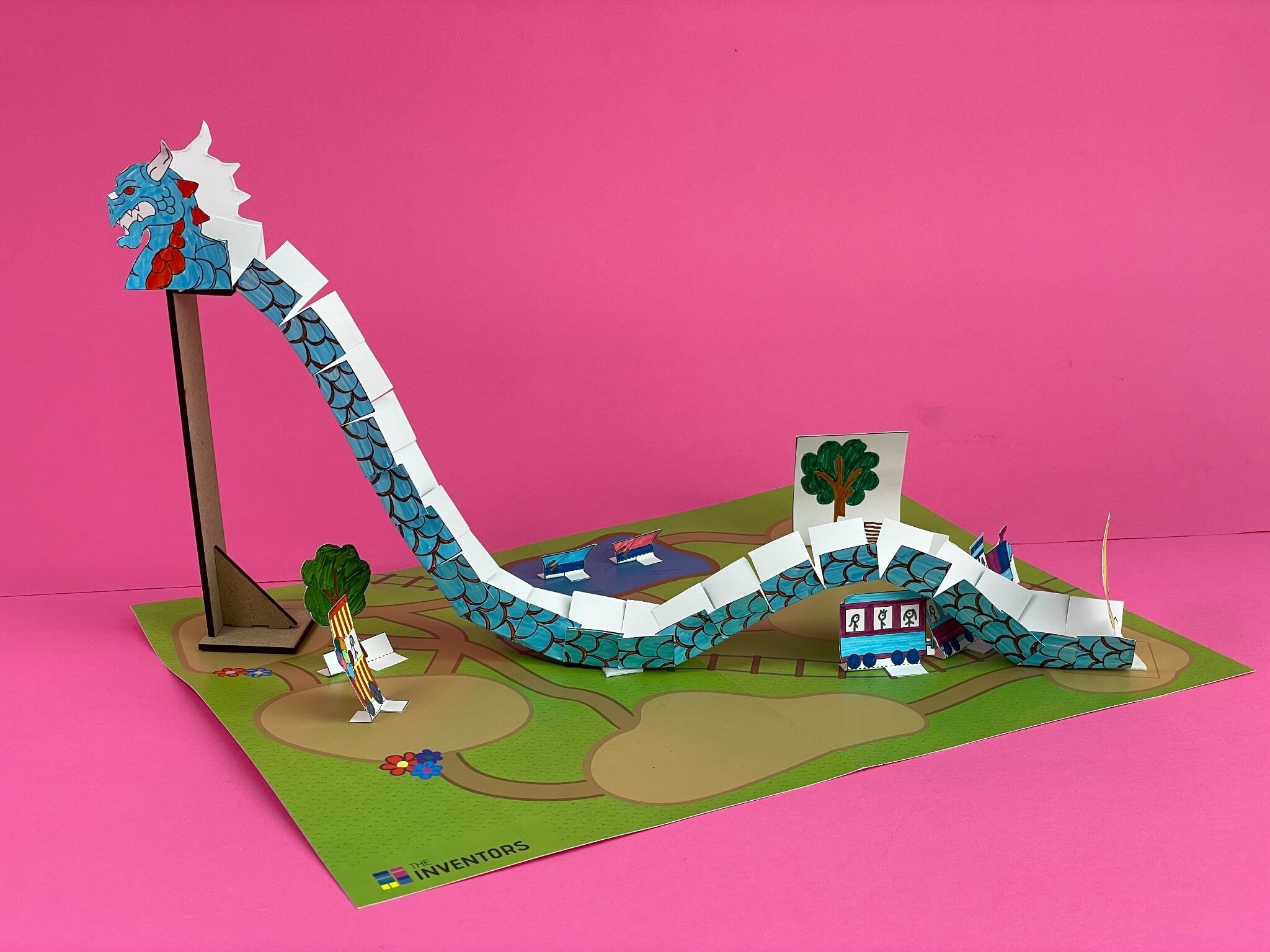
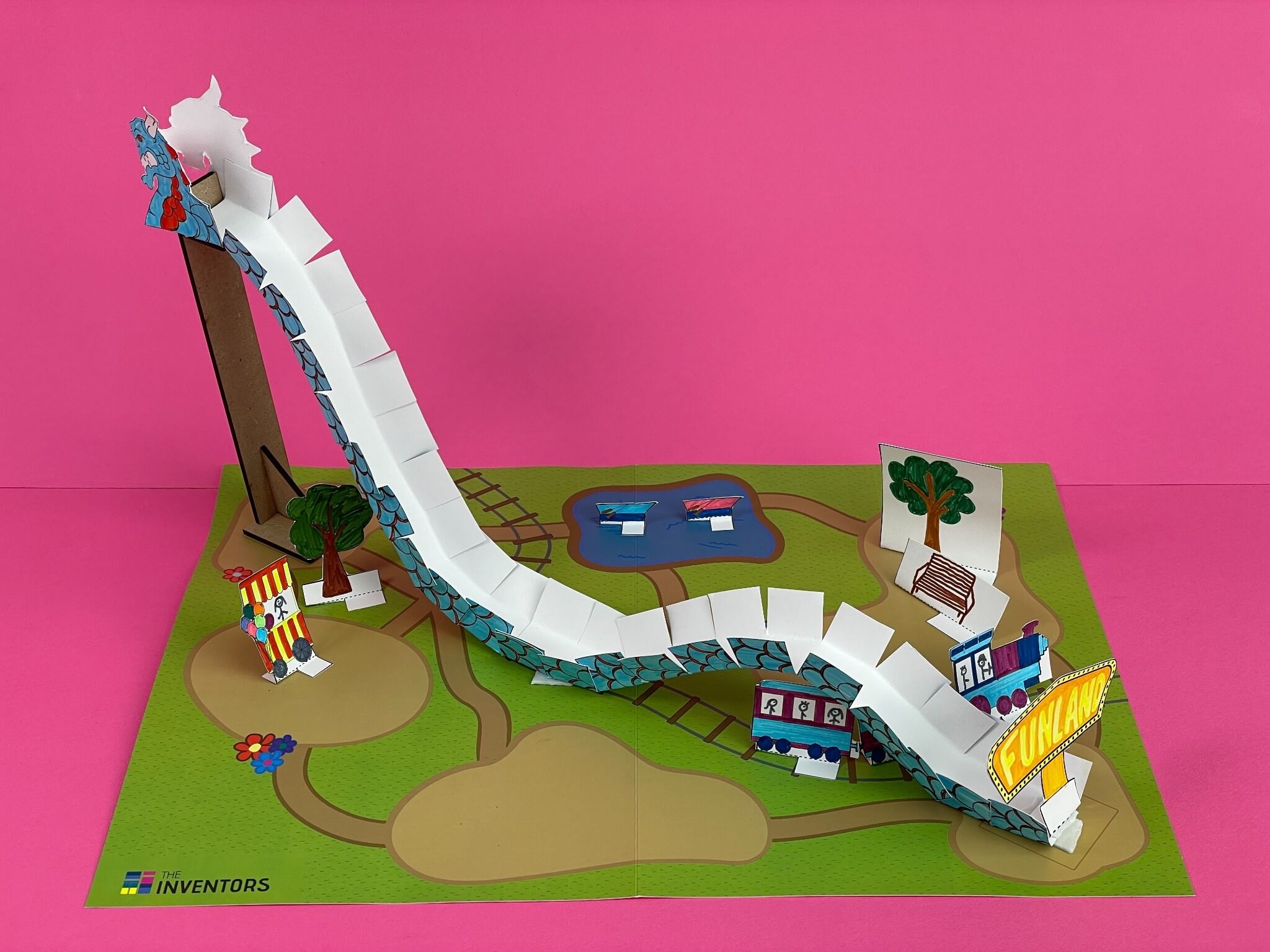
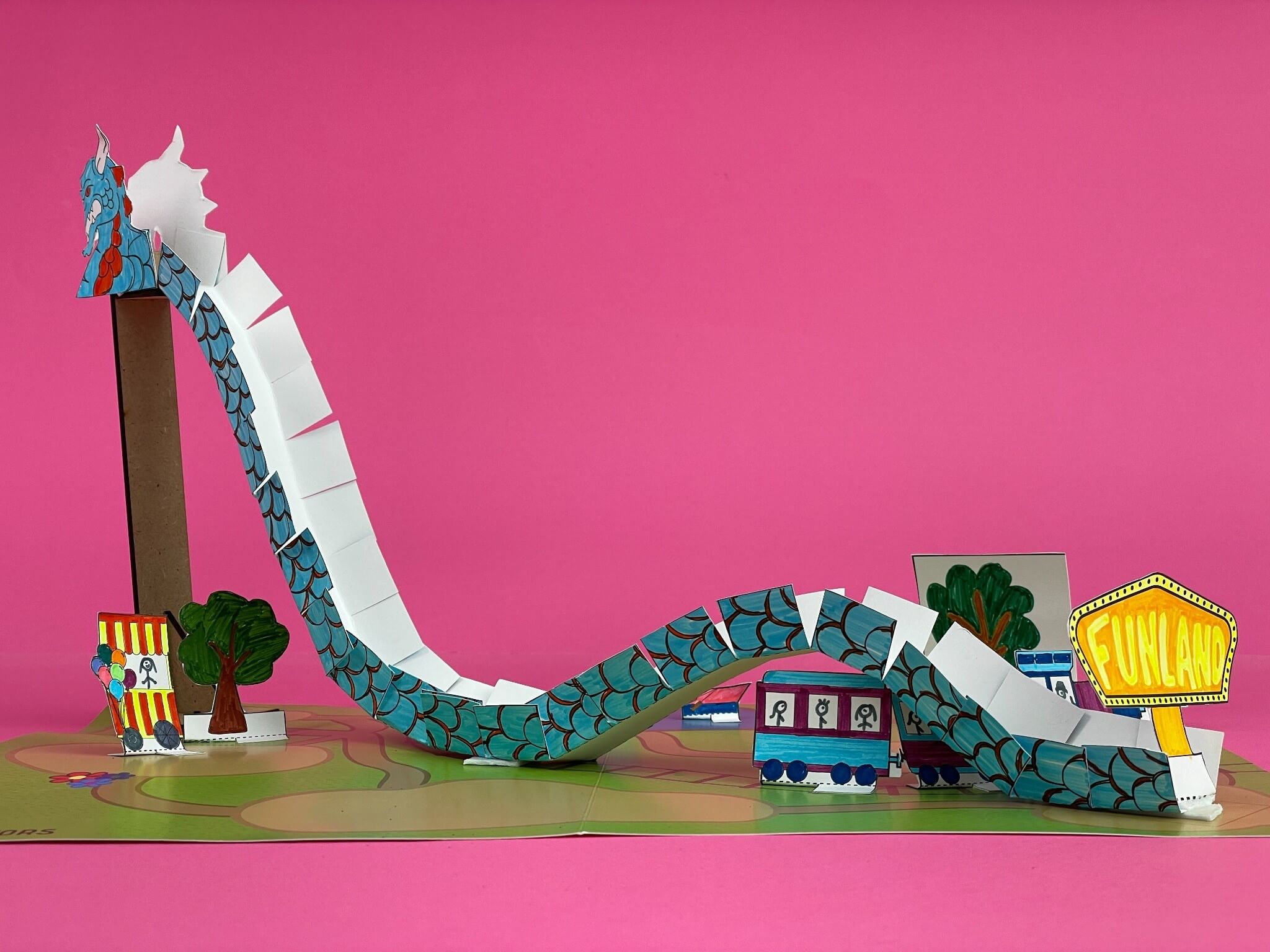
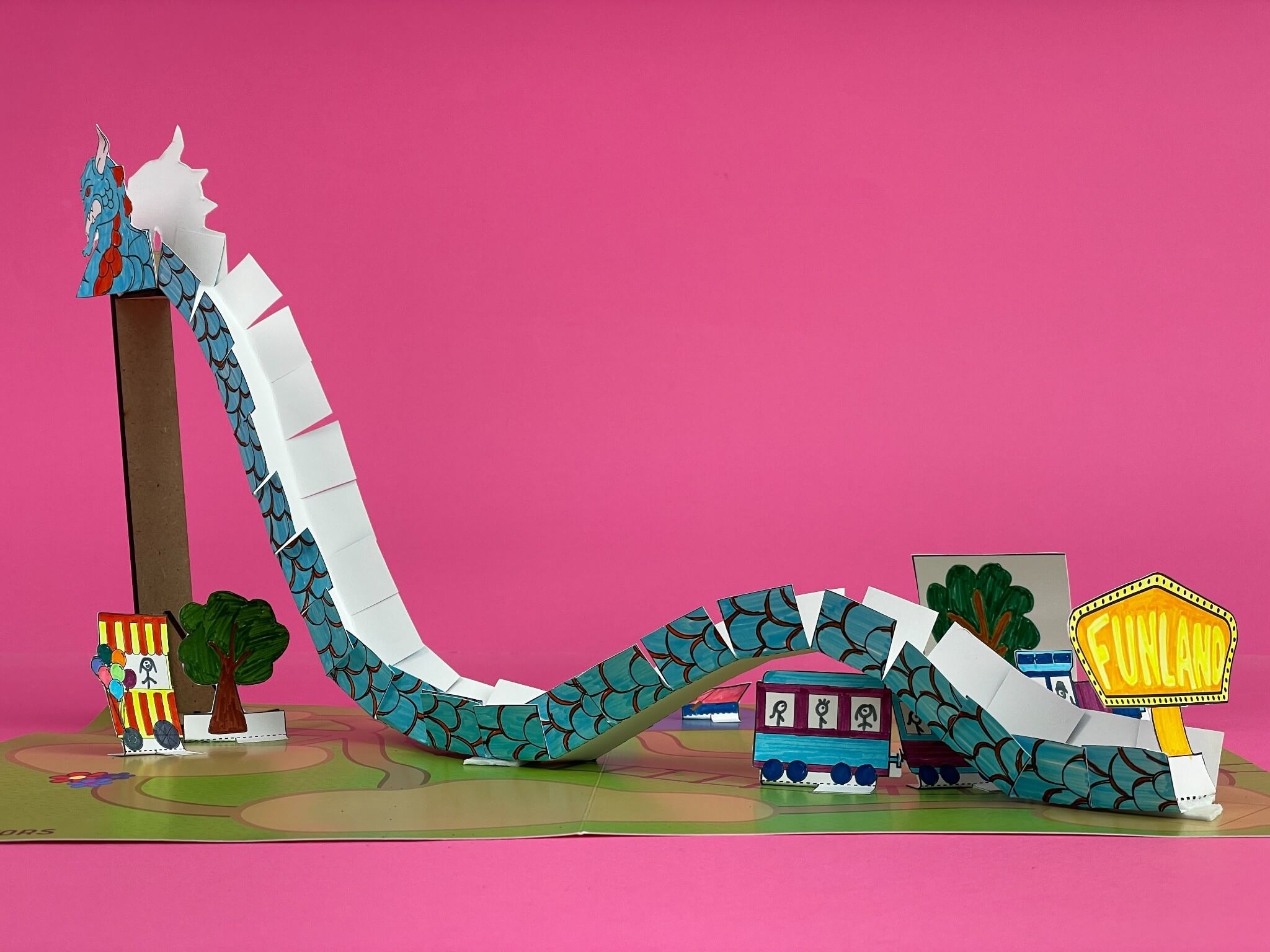
In this project, young inventors create a Dragon Roller Coaster

With this project, creativity fast-tracks the future.

Through this experience, children have the opportunity to create their very own dragon-shaped roller coaster, transformed into a real marble run

All of this takes place in an inspiring environment where the inventive and creative spirit of young inventors is celebrated, encouraging teamwork, spontaneity and curiosity.

About InspiringInventors

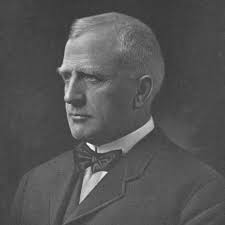
LaMarcus Adna Thompson

LaMarcus Adna Thompson

1868-1924

Was an American inventor and businessman most famous for developing a variety of gravity rides and roller coasters. Is best known for his early work developing roller coasters and for inventing the scenic railway genre of rides. He is known as the “Father of the American Roller Coaster” and is often also called the “Father of the Gravity Ride”. Over his lifetime, Thompson accumulated nearly thirty patents related to roller coaster technologies.

Ask LaMarcus Adna Thompson

The AI version of LaMarcus Adna Thompson answer your questions

This dialogue box uses artificial intelligence and is configured to respond exclusively to questions related to the project, its concepts and associated fields, as well as queries and curiosities about the history of each inventor. Questions outside this scope may not be answered. Always use under adult supervision.

Thank you for your understanding.

ConceptsCovered

Speed and Acceleration

  • Speed – is how fast something or someone moves in a certain direction. Imagine you are in a race. Speed is how quickly you run towards the finish line. When you kick a ball or ride a bicycle, understanding speed helps you see and control how fast things are moving.
  • Acceleration – is how things start moving faster or slower, or change direction. Imagine you are on a roller coaster. When it starts going faster, slows down, or turns, that is all acceleration. It is as if the roller coaster is deciding whether to move quickly or slowly, and where to go next. For example, if you are in a car and it suddenly speeds up after moving slowly, that is acceleration. Understanding acceleration helps us explain how things, such as cars on the road or a ball falling from the sky, start moving faster or slower, or even change direction.

Relative motion and the perception of time

Relative motion and the perception of time – Sometimes, the way we experience the passing of time can change depending on how we move or how fast we travel. For example, astronauts in space experience time differently because they are travelling very fast and far away from Earth. Their speed, together with special rules called “general relativity”, makes time seem to pass differently for them than it does for us here on Earth.

Why this project?

The Speddy Dragon project was created with three main objectives:

  1. Exploring the world of Physics: With this project, young inventors have fun while learning concepts related to physics.
  2. Understanding society through these concepts: Through this experience, young inventors discover how the concepts behind Speedy Monster play an important role in areas such as transport, amusement parks, space exploration, medicine and much more.
  3. Encouraging creativity and an inventive mindset: By taking part in this process, young inventors develop skills such as problem-solving, critical thinking and motor coordination.

Together, let’s make science fun

Challenges for you

Ask your young inventor what excited them most about the lesson, or try using the Speddy Dragon together at home. Turn this into a fun moment for the whole family!

For the boldest inventors, send us your videos – we’d love to share your experiences on our social media. Make this project a memorable adventure for everyone!

Link to Instagram

Together, let’s speed up the dragon

The Inventors UK
Privacy Overview

This website uses cookies so that we can provide you with the best user experience possible. Cookie information is stored in your browser and performs functions such as recognising you when you return to our website and helping our team to understand which sections of the website you find most interesting and useful.