The Fusion of Two Worlds

The Pianotronic project enables children to explore the fascinating world of electronics and music in an enjoyable and practical way.

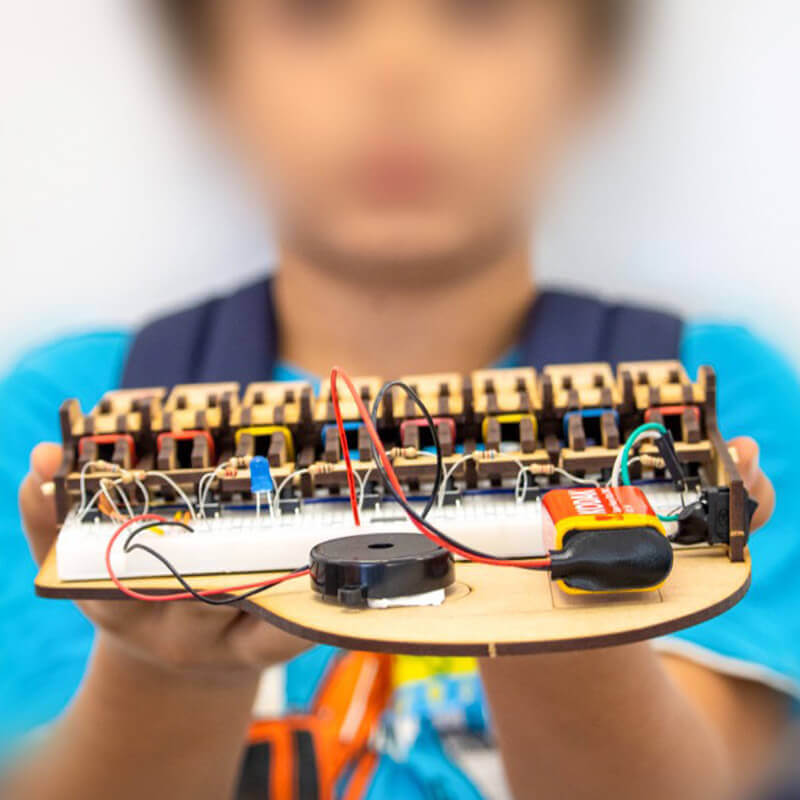
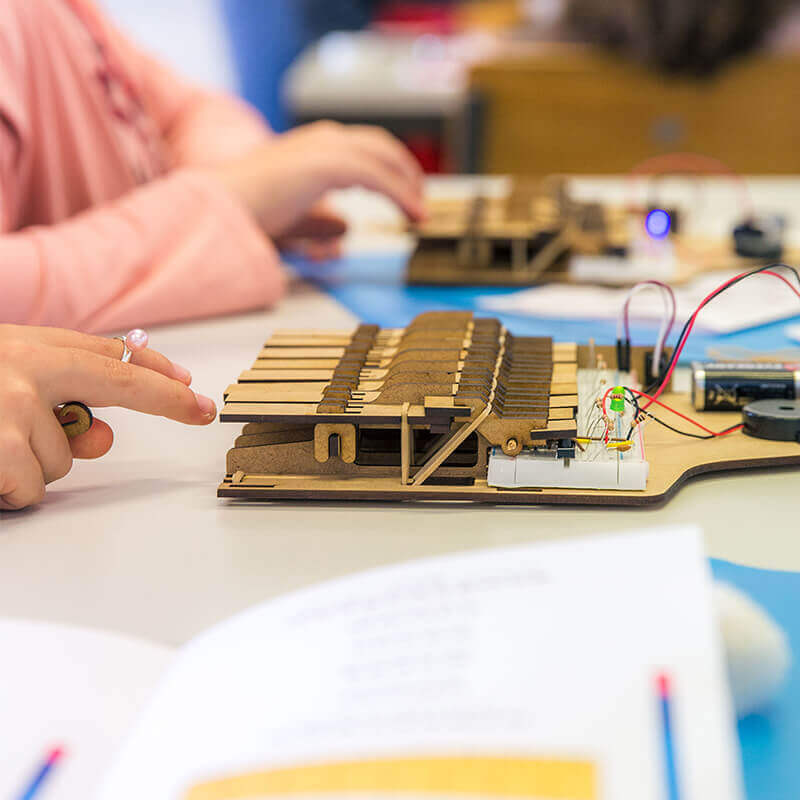
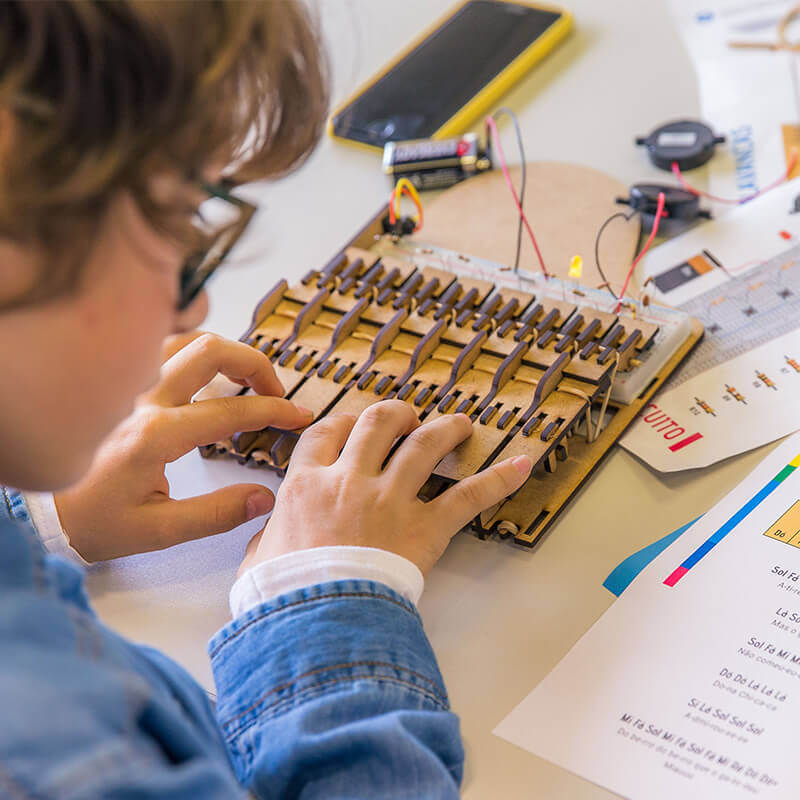
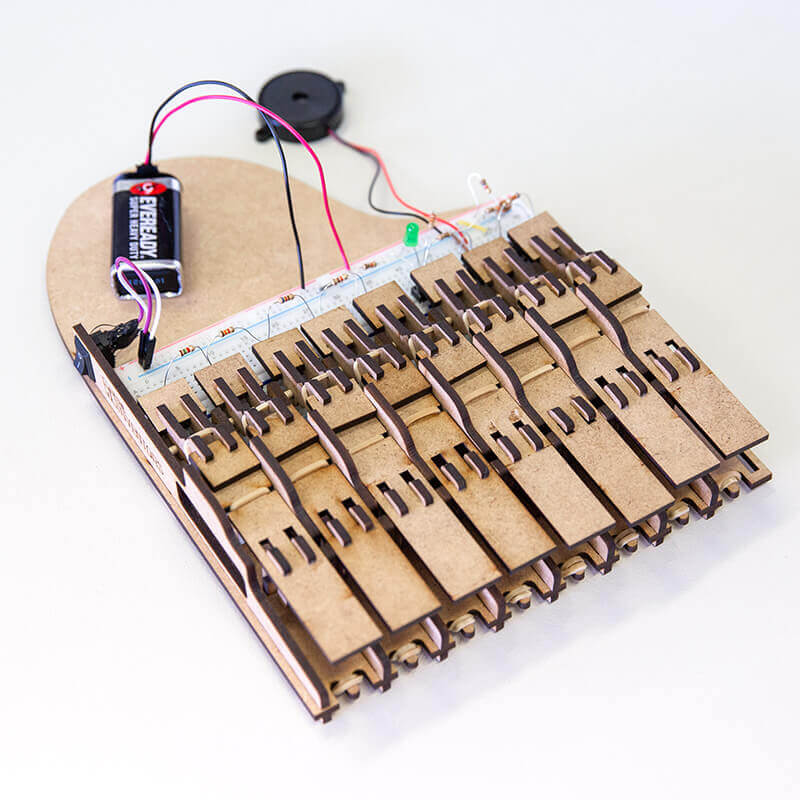
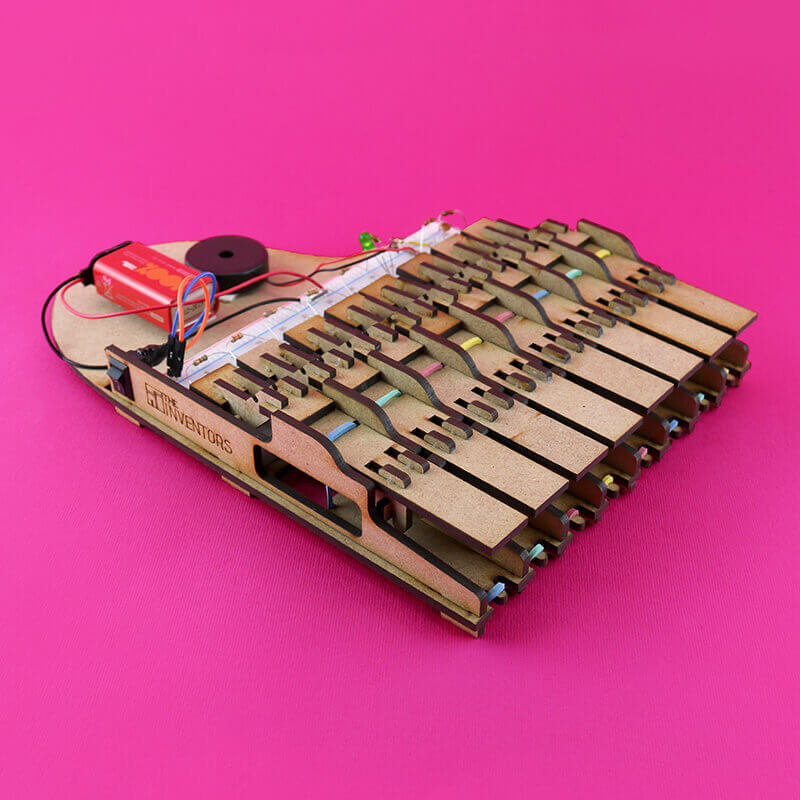
Throughout the sessions, children build their own electronic piano, step by step, using components such as resistors, buttons, and integrated circuits. The result is an extraordinary piano, capable of playing eight musical notes, with the possibility of changing octaves, similar to a basic synthesiser, offering a unique and fascinating sound experience.

Through this hands-on construction, young inventors have the opportunity to explore concepts such as the principles of sound physics, the mechanics behind instruments, and even venture into the history of classical and electronic music.

All of this takes place in a stimulating environment where the children’s inventive and creative spirit is celebrated, promoting teamwork and encouraging spontaneity to personalise their piano, making it truly their own.

About the Inspiring Inventors

Wolfgang Amadeus Mozart

Wolfgang Amadeus Mozart

1756-1791

One of the most important figures in the history of music. He was a truly prodigious composer who began playing and composing music as a child. The author of timeless piano works, such as sonatas and concertos, his music has influenced generations and continues to be studied and appreciated worldwide. Through the electronic piano, children discover a direct connection to the legacy left by Mozart and the importance of the piano in classical music.

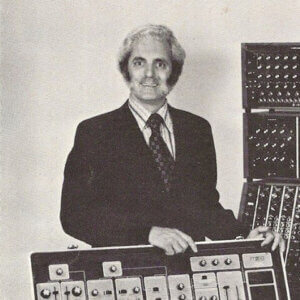
Robert Moog

Robert Moog

1934-2005

A visionary inventor who revolutionised music by creating the first modern electronic synthesisers. Thanks to his work, electronic music became accessible and influenced genres such as pop, rock, and even film soundtracks. Moog demonstrated that electronics and music can coexist in innovative ways, inspiring generations of musicians and inventors. In this project, children learn the essence of this revolution by building their own basic synthesiser.


Ask Mozart and Moog

The AI Mozart and Moog will answer your questions

This dialogue box uses artificial intelligence and is set up to respond exclusively to questions related to the project, its concepts and associated areas, as well as doubts and curiosities about the history of each inventor. Questions outside this scope may not be answered. Always use under adult supervision. Thank you for your understanding.

Concepts Covered

Electronic Components

When building the electronic piano, children learn about the key components used in electronics:

  • Integrated Circuit: Acts as the “brain” of the piano, processing electrical signals and transforming them into musical notes.
  • Buttons and Switch: Allow the notes to be played and the piano to be turned on and off. There is a dedicated button for each of the eight musical notes.
  • Resistors and Capacitors: Work together to define the correct frequencies corresponding to each note on the musical scale.
  • Speaker: Produces the sound of the notes, converting electrical signals into audible sound.
  • LED: Lights up when the piano is on, allowing children to visualise the presence of energy in the circuit.

During the construction process, children practise manual skills such as assembling circuits and fitting components while developing an intuitive understanding of how basic electronic systems work.

Introduction to Musical Concepts

This project also introduces children to the essential concepts of music:

  • The musical scale and the notes (C, D, E, F, G, A, B, C) are explored, helping them understand how music is structured.
  • Learn that each note corresponds to a specific frequency, creating lower or higher-pitched sounds.
  • The discussion between acoustic and electronic pianos provides both a historical and practical perspective on the evolution of musical instruments.

Children grasp the basic concepts of music and also experience the joy of creating melodies on their own piano.

Why This Project?

The project Electronic Piano, was created with three main objectives:

  • Exploring Electronics: Through building the piano, children discover in a fun way how simple components like integrated circuits, resistors, and capacitors work together to produce something tangible – the sound of musical notes.
  • Introduction to Music: This project serves as a gateway to understanding the fundamentals of music, such as scales, tones, and the connection between sound frequency and audible sound.
  • Encouraging Creativity and an Inventive Spirit: By taking part in this process, students develop skills such as problem-solving, critical thinking, and motor coordination. Customising their piano and performing a concert at the end makes the experience even more special.

At the end of the sessions, children will not only have built an electronic piano but also gained a new appreciation for the world of music and electronics, while celebrating their success with a final concert.

Together, we discover how electronics and music can create magic!


Challenges for you

Ask your inventor what excited them the most during the lessons or challenge them to play a song on the piano they built. And why not turn this moment into a true family concert?

For the boldest ones, how about recording the performance and sharing it with us on social media. We’d love to see your creations and highlight the most creative and inspiring moments!

Link to Instagram

Together, let's make learning even more memorable and filled with music!

The Inventors UK
Privacy Overview

This website uses cookies so that we can provide you with the best user experience possible. Cookie information is stored in your browser and performs functions such as recognising you when you return to our website and helping our team to understand which sections of the website you find most interesting and useful.