fbpx

Back to the origins of the calculator

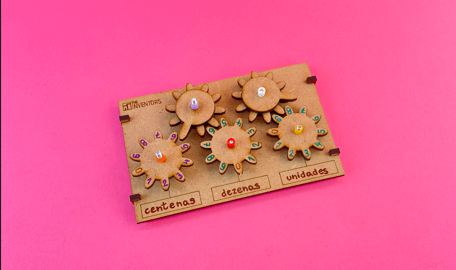
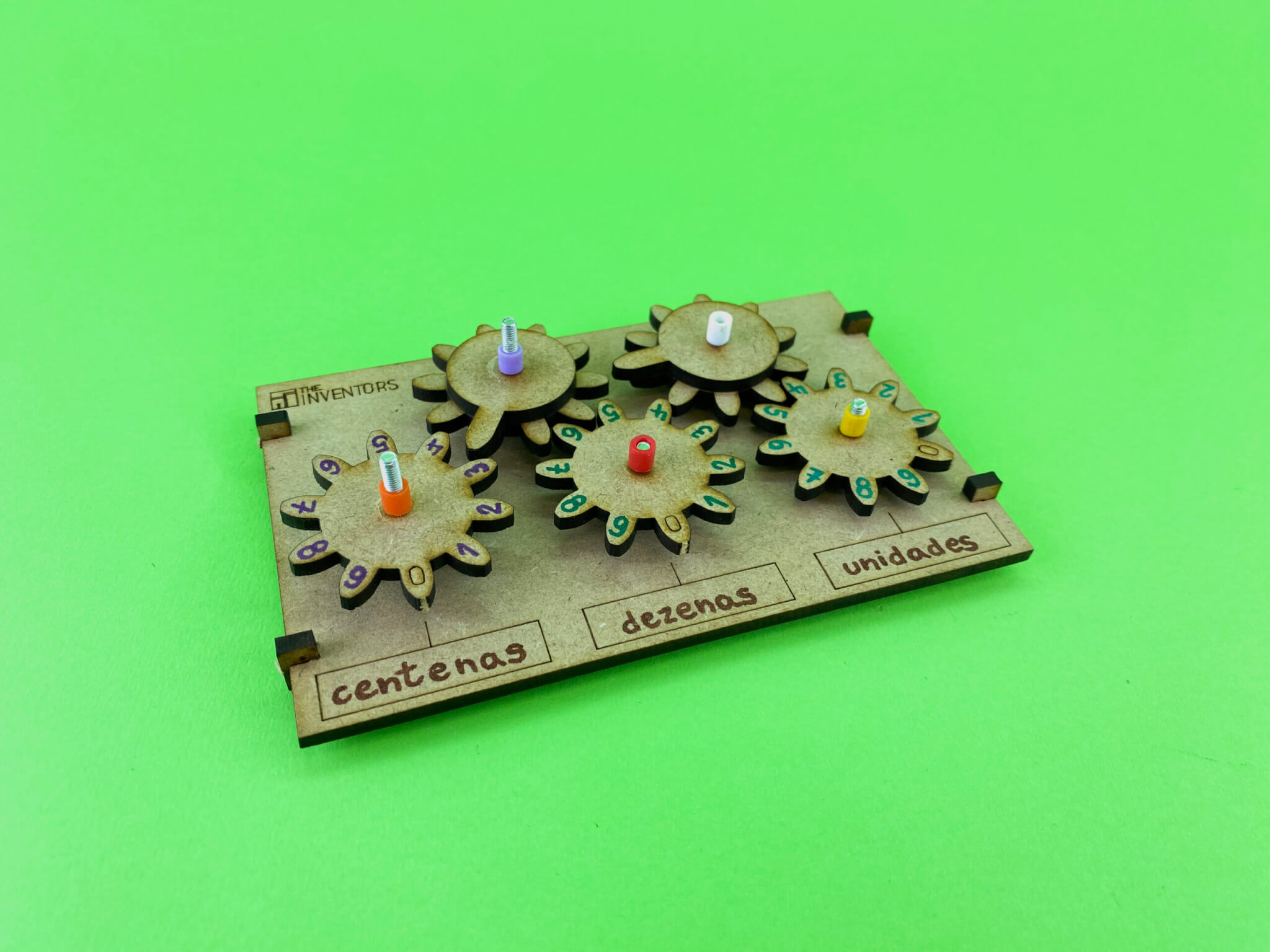
The project Pascaline allows children to explore the fascinating world of basic mechanics and number systems.

In Pascaline, young inventors will assemble a mechanical calculator based on Blaise Pascal’s original design!

This experience allows children to learn important scientific concepts, previously explored by a pioneer of science, in a practical and enjoyable context. It encourages them to explore the world around them with an inventive mindset and reflects the mission of inspiring future inventors and innovators to think outside the box and apply their knowledge in creative ways


About InspiringInventors

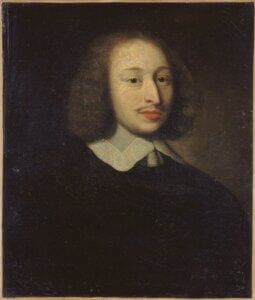
Blaise Pascal

Blaise Pascal

1623-1662

Was a French mathematician, physicist, inventor, philosopher, and Catholic writer. Pascal was a child prodigy who was educated by his father Étienne Pascal, a tax collector in Rouen. His earliest mathematical work was on projective geometry; he wrote a significant treatise on the subject of conic sections at the age of 16. He later corresponded with Pierre de Fermat on probability theory, strongly influencing the development of modern economics and social science. In 1642, he started some pioneering work on calculating machines (called Pascal’s calculators and later Pascalines), establishing him as one of the first two inventors of the mechanical calculator

Ask Blaise Pascal

The AI version of Blaise Pascal answers your questions

This dialogue box uses artificial intelligence and is configured to respond exclusively to questions related to the project, its concepts and associated fields, as well as queries and curiosities about the history of each inventor. Questions outside this scope may not be answered. Always use under adult supervision.

Thank you for your understanding.

ConceptsCovered

Basics mechanics and Number systems

Basic mechanics: the branch of physics that studies the movement of bodies and the forces acting on them.

Number systems: organised ways of representing numbers, such as the decimal or binary system.

Gears and Transmission systems

Gears: toothed wheels that transmit movement and force from one part to another.

Transmission systems: mechanisms that transfer movement or energy from one part of a machine to another, such as chains, belts, or gears.

Why this project?

The Pascaline project was created with three main objectives:

  1. Understanding the importance of concepts: By assembling and operating the Pascaline, students learn about basic numerical calculations, using a system of gear wheels. The activity offers a practical and visual understanding of how these mathematical operations work in a historical and mechanical context
  2. Explaining the relevance on nowadays: Explain to the young inventors that the Pascaline paved the way for the development of more advanced calculators and, eventually, for the architecture of the first digital computers. The ideas behind gears and manual calculation operations were fundamental to the evolution of more complex computational systems, which culminated in the modern computing we know today. Advances in artificial intelligence, big data, and quantum computing can trace their origins back to Pascal’s pioneering ideas and to our predecessors in the science of mechanical computing
  3. Focus in Creativity and an Inventive Spirit: By taking part in this  process, children develop skills such as problem-solving, critical thinking, and motor coordination.

At the end of the session, in addition to building a Pascaline , the young inventors will also gain a new appreciation for the world of calculation and mechanics

Let’s calculate the power of imagination – together!

Challenges for you

Ask your young inventor what excited them most about the session, or challenge them to use the Pascaline at home with the family!

For the boldest ones, why not share your experience with us, so we can share it on our social media?

Link to Instagram

Together, let's play with numbers and gears

The Inventors UK
Privacy Overview

This website uses cookies so that we can provide you with the best user experience possible. Cookie information is stored in your browser and performs functions such as recognising you when you return to our website and helping our team to understand which sections of the website you find most interesting and useful.