Let electronics play

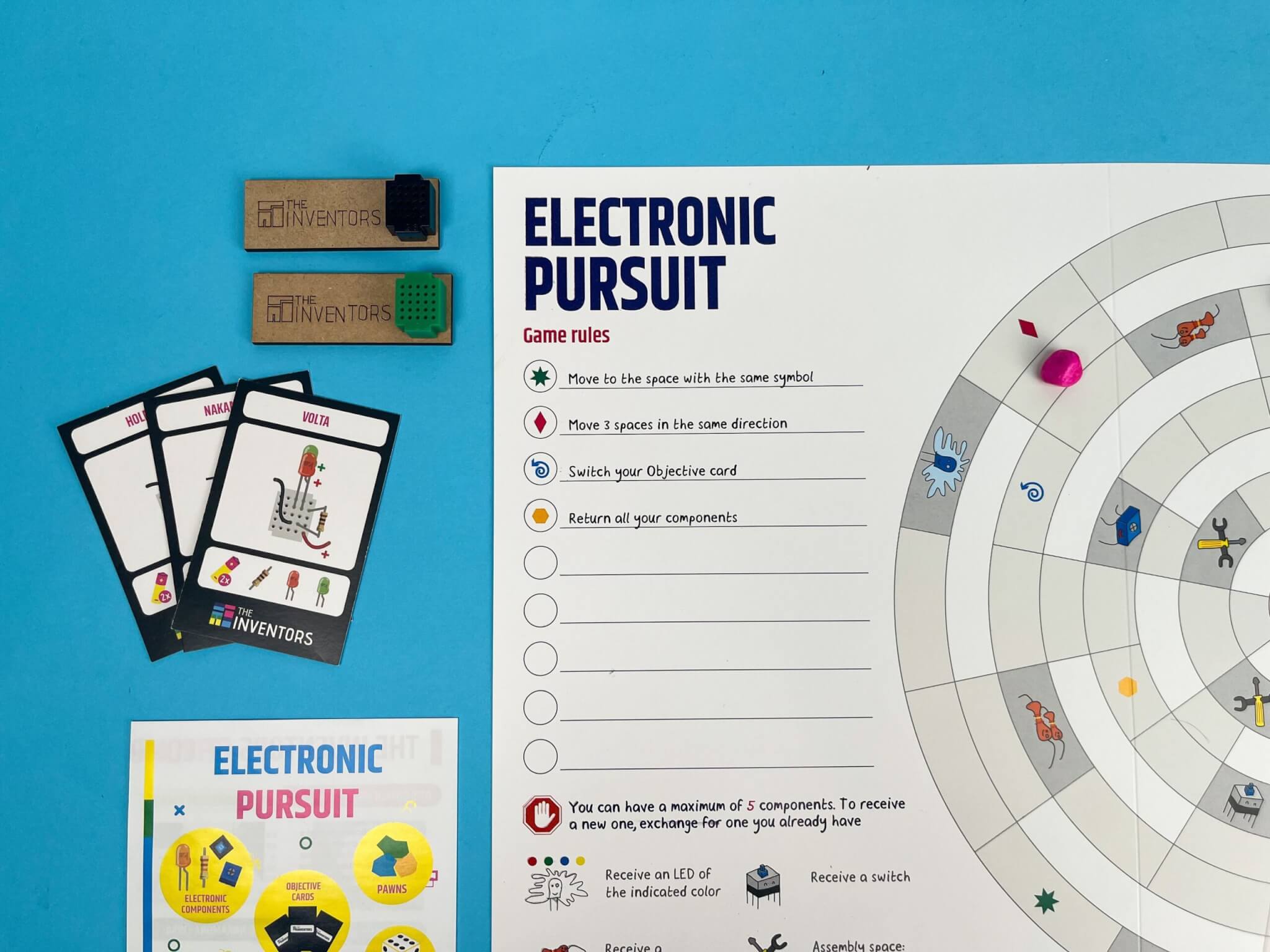
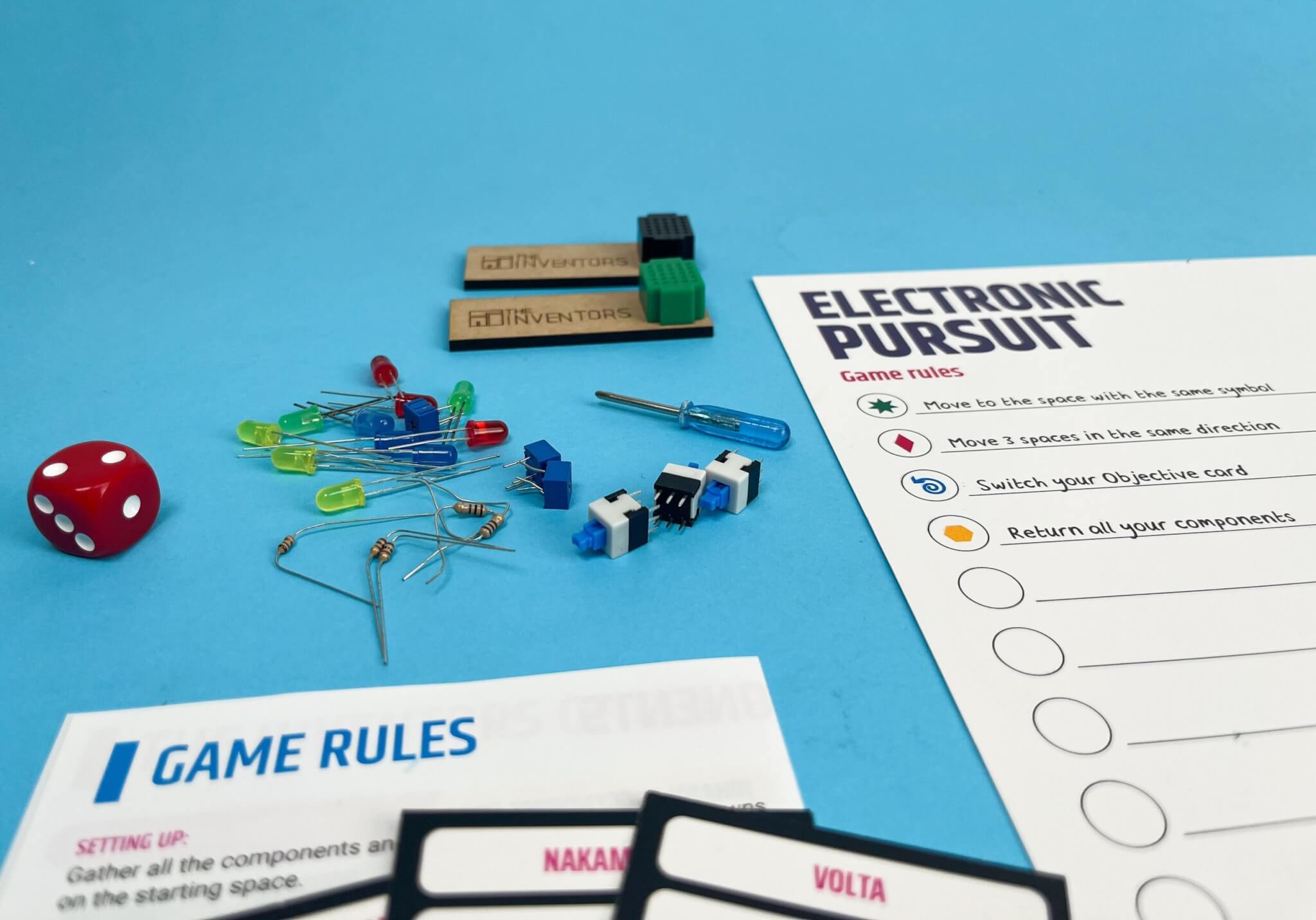
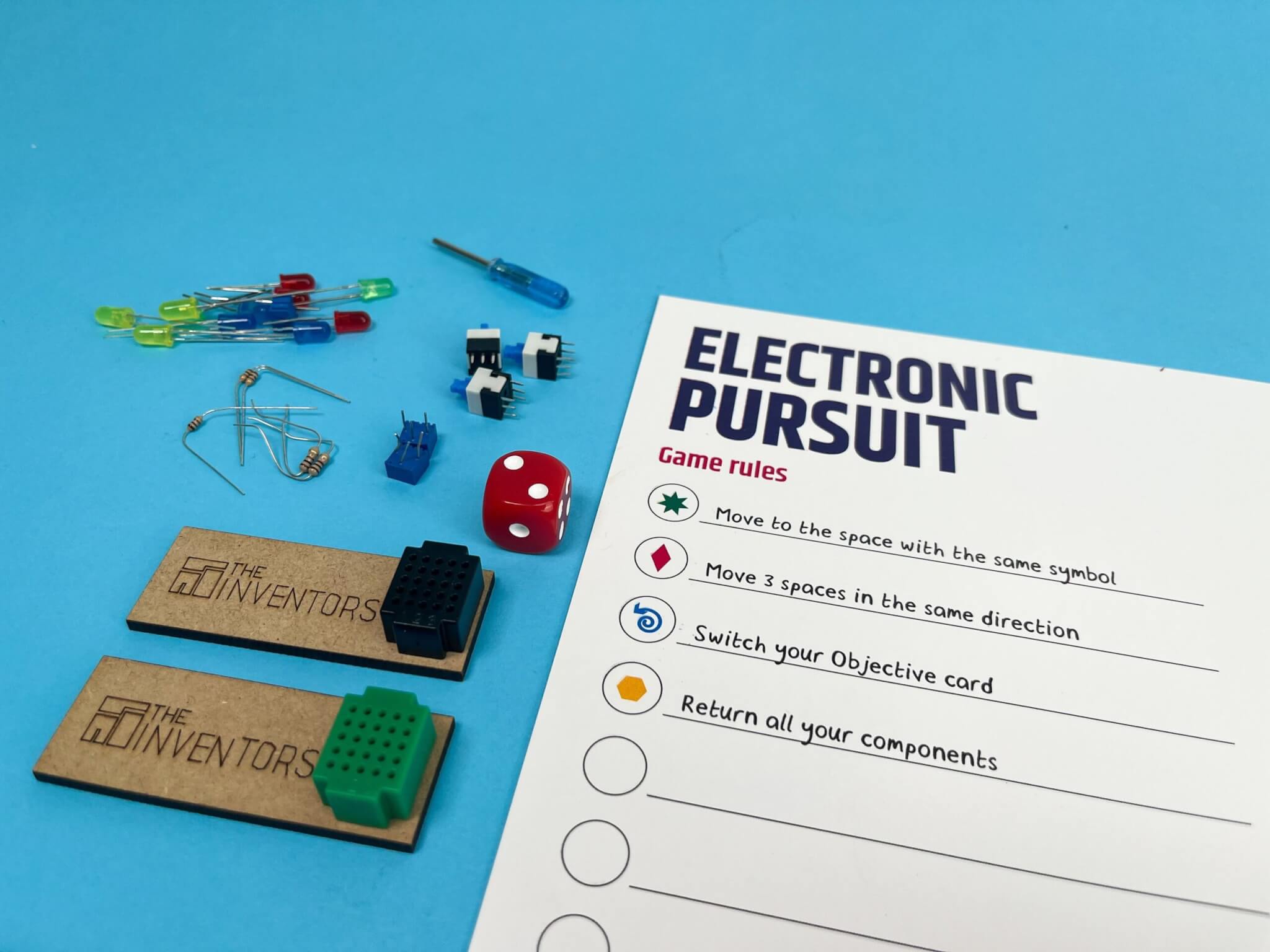
The Electronic Pursuit project allows young inventors to explore the fascinating world of eletronics

With this project, young inventors learn about the basics principals of electronics

Through this experience, young inventors combine the fascination of playing board games with learning about electronic components.

All of this takes place in a stimulating environment where children’s inventive and creative spirit is nurtured, promoting teamwork, spontaneity, and curiosity

About InspiringInventors

Beatrice Shilling

Beatrice Shilling

1909-1990

Was an English aeronautical engineer, motorcycle racer and sports car racer. In 1949, Shilling was made an Officer of the Order of the British Empire. During the Second World War Shilling designed the RAE Restrictor (which became known as Miss Shilling’s orifice), a simple device that overcame the problem of the Rolls-Royce Merlin aeroplane engines losing power during negative-g manoeuvres. After the war, Shilling also worked on the Blue Streak missile, researched the effect of a wet runway upon braking, and helped design and build a bobsled for the Royal Air Force’s Olympic team.

Ask Beatrice Shilling

The AI version of Beatrice Shilling answers your questions

This dialogue box uses artificial intelligence and is configured to respond exclusively to questions related to the project, its concepts and associated fields, as well as queries and curiosities about the history of each inventor. Questions outside this scope may not be answered. Always use under adult supervision.

Thank you for your understanding.

ConceptsCovered

Electrical Circuit and Breadboard

  • Electrical Circuit: When components are connected to each other through a conductive
    material in such a way that they form a closed circuit, powered, for example, by a battery, they
    create an electrical circuit.
  • Breadboard: A board where we can build the electrical circuit. It has many holes and metal
    connections between them. By replacing some wires, it simplifies the construction of circuits.


LED and Battery

  • LED: It’s a light-emitting diode. Since it’s a diode, it has poles and only allows the passage of
    electric current in one direction. The longer leg corresponds to the positive terminal (connects
    to the + of the battery), and the shorter leg corresponds to the negative (connects to the – of the
    battery).
  • Battery: The battery acts as a voltage source — by imposing a certain potential difference on
    the circuit, it sets the electric charges in motion, producing electric current.

Why this project?

The Electronic Pursuit project was created with three main objectives:

  1. Exploring electronics concepts: During this experience, young inventors explore basic electronics concepts by building simple circuits using a breadboard, LEDs, batteries, and other components. The learning is gamified, allowing the young inventors to develop a practical understanding of how electrical circuits work while having fun
  2. Encouraging problem-solving: This experience also allows young inventors to spark  problem-solving in a real and meaningful context. It prepares young minds to become future engineers and scientists, equipping them with essential knowledge and skills in a world that requires creative solutions to complex challenges.
  3. Understaing the impact of these concepts in society: These components and concepts are fundamental for the development of modern electronic devices. They have enabled the miniaturisation of technology and the creation of everyday devices such as smartphones, computers, and many other electronic pieces of equipment.

At the end of the sessions, children will also gain a newfound appreciation for the world of electronics, celebrating their success by playing Electronic Pursuit!

Together, let’s discover how this experience can light up your creativity…!

Challenges for you

Ask your young inventor what excited them the most in class, or turn this topic into a bit of family fun, by playing Electronic Pursuit at home!

For the boldest ones, how about recording and sharing it with us on social media? We’d love to showcase that competition!

Link to Instagram

Together, let's turn learning into a brilliant game

The Inventors UK
Privacy Overview

This website uses cookies so that we can provide you with the best user experience possible. Cookie information is stored in your browser and performs functions such as recognising you when you return to our website and helping our team to understand which sections of the website you find most interesting and useful.