The ancestor of modern messaging

Through the Telegraph Project, young inventors discover the powerful impact of creating one of the very first communication devices

With this project, messages arrive from the past and build bridges to the future.

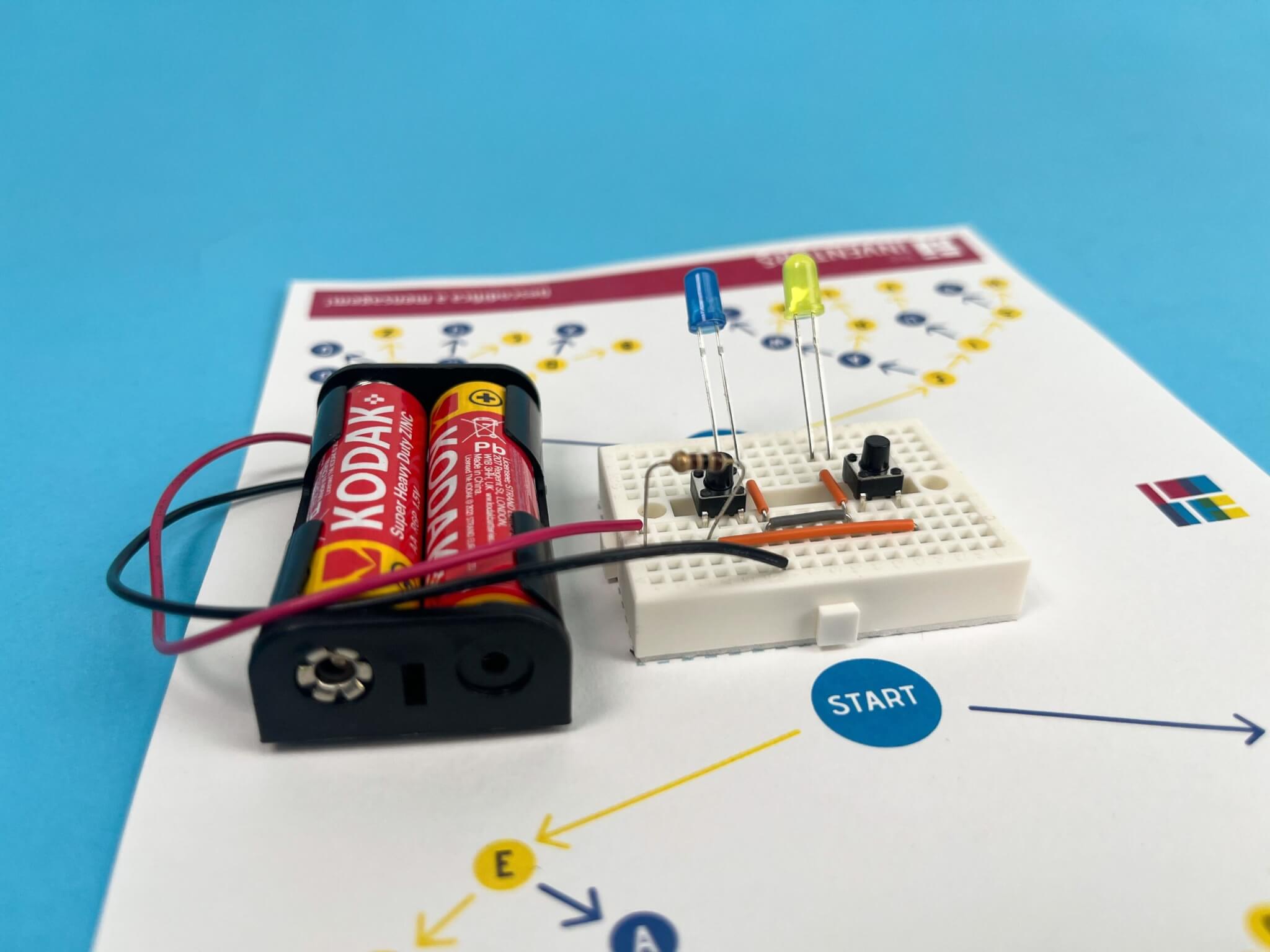
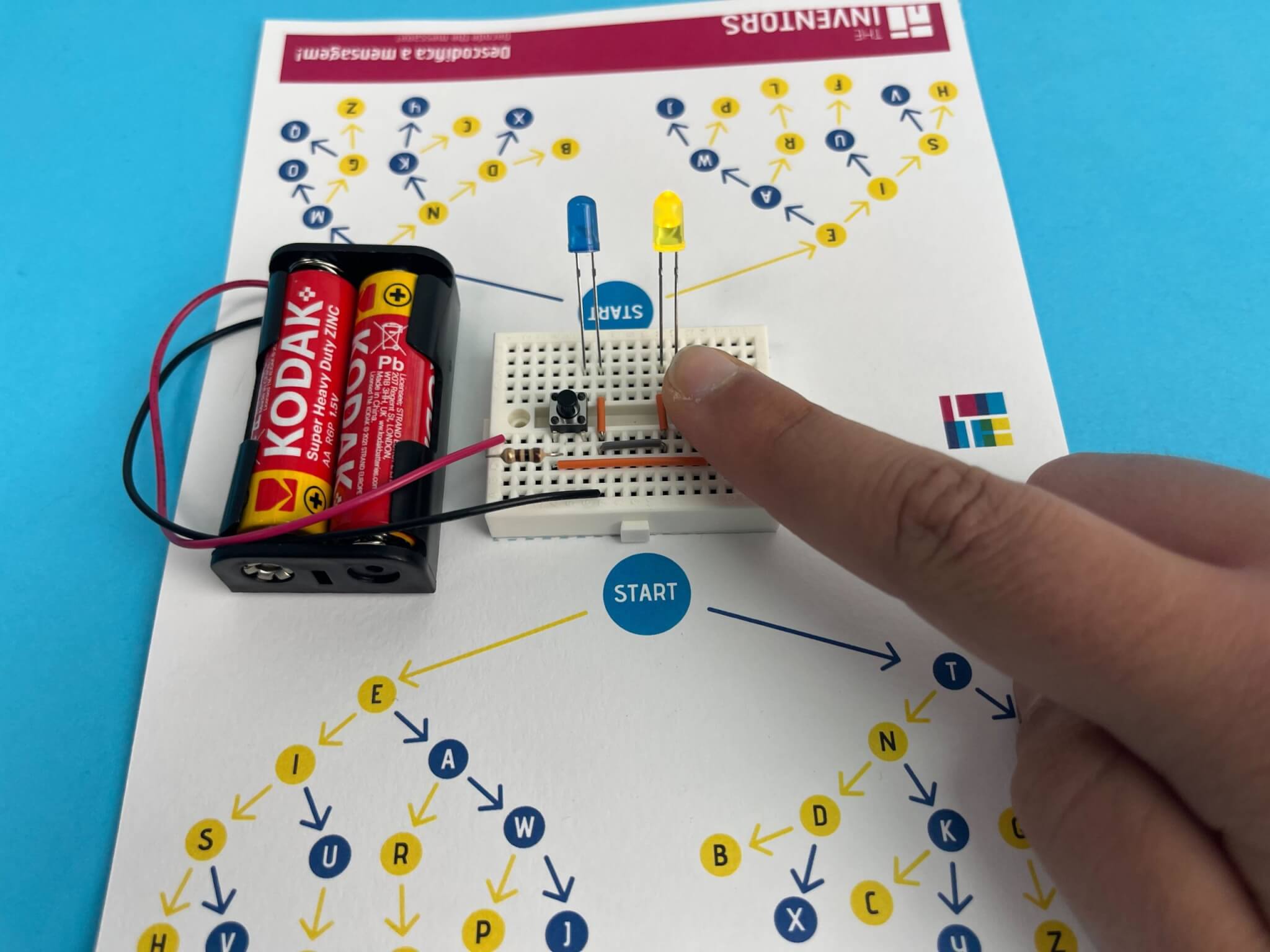
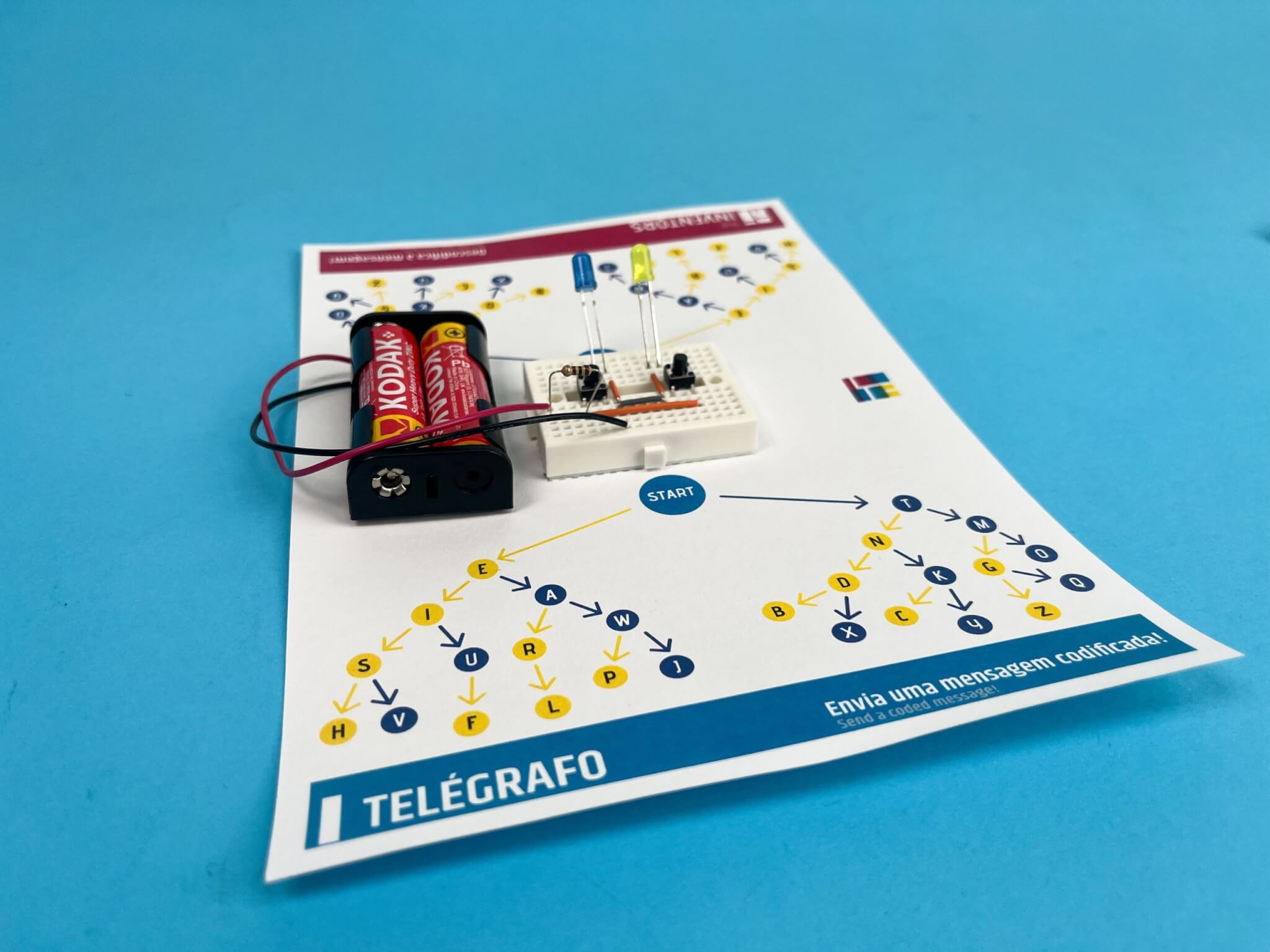
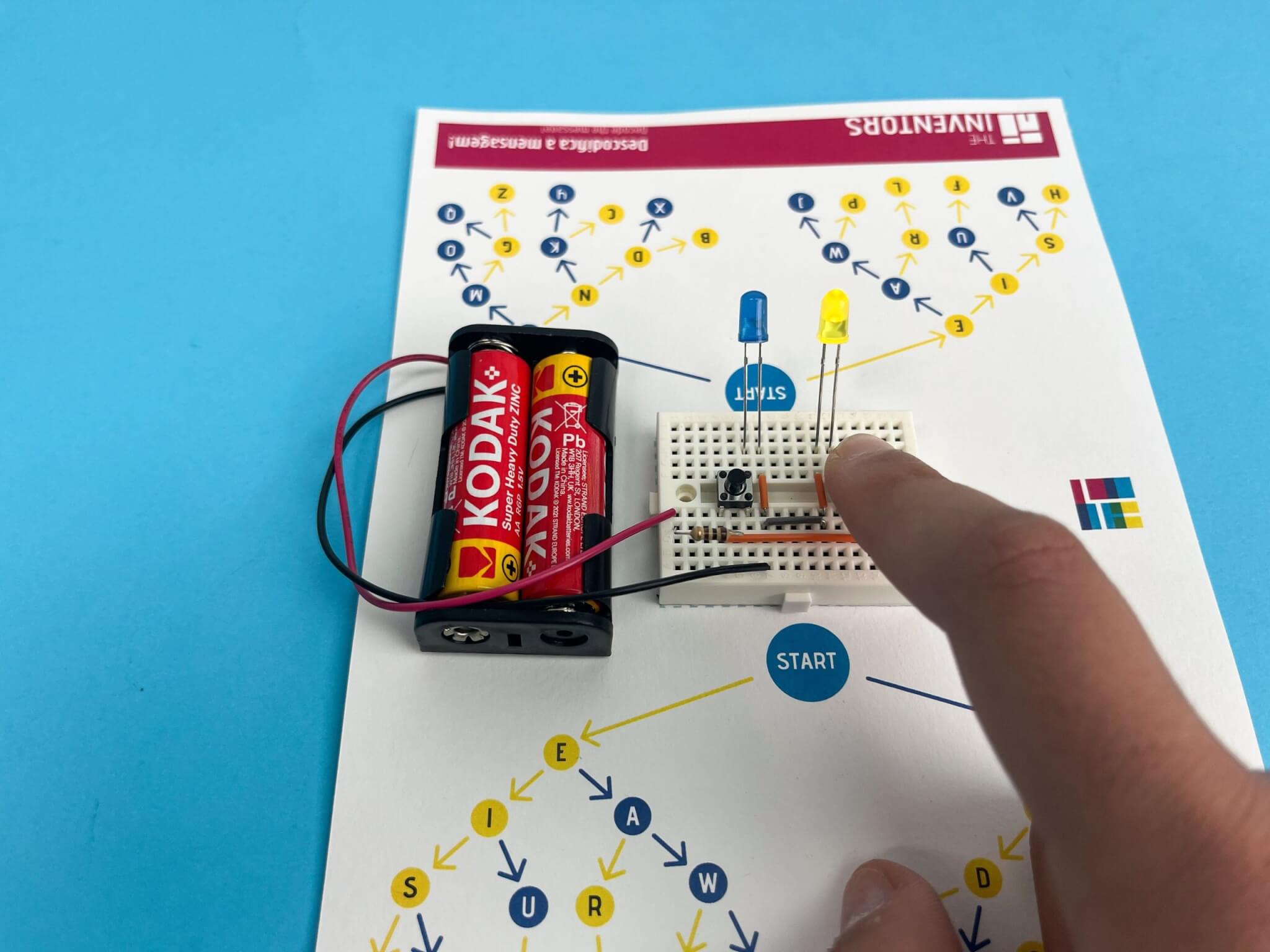
By building their own Telegraph, young inventors gain insight into how people communicated long before phones, mobiles, or the internet ever existed!

Through this hands-on experience, children have the chance to explore concepts such as Morse code and signal transmission.

All of this takes place in an inspiring environment that celebrates children’s inventive and creative spirit, while encouraging teamwork, spontaneity, and curiosity.

About InspiringInventors

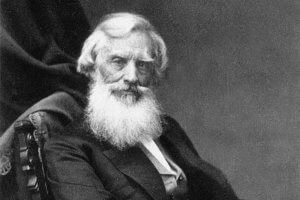
Samuel Morse

Samuel Morse

1791-1872

He was an American inventor, creator of the first practical telegraphy system designed to convert electrical impulses into graphic signals, which became known as Morse Code. He received artistic training in England, and upon returning to the United States, became a renowned painter. In addition to his artistic work, Samuel Morse continued his studies in electricity. In 1832, during a trip back to Europe, he abandoned painting and, based on the experiments of physicist Michael Faraday, on electromagnetism, devoted himself to the development of a device designed to convert electrical impulses into graphic signals. The experimental model was completed in 1835. The system had some limitations, but it was already possible to send words from one place to another via wires. The electric telegraph and the alphabetical code used in telegraphic transmissions, which bears his name — “Morse Code” — was completed in 1839.

Ask Samuel Morse

The AI version of Samuel Morse answer your questions

This dialogue box uses artificial intelligence and is configured to respond exclusively to questions related to the project, its concepts and associated fields, as well as queries and curiosities about the history of each inventor. Questions outside this scope may not be answered. Always use under adult supervision.

Thank you for your understanding.

ConceptsCovered

Morse Code

  • Morse code: Is a communication system that uses short signals (dots) and long signals (dashes) to represent letters and numbers..

Signal Transmisson

  • Signal transmission: Is the process of sending information from one place to another.

Why this project?

The Telegraph project was created with three main objectives:

  1. Exploring the world of communication: In this project, young inventors will build a Telegraph, gaining insight into an early method of long-distance communication. The aim is for children to realise that, even in the 19th century, a messaging system existed without the need to move from one place to another!
  2. Understanding the relevance of this experience in society: Through this activity, the young inventors will discover a communication system that is, quite literally, an ancestor of the telephone, the internet, and mobile phones in terms of message sharing!
  3. Encouraging Creativity and Inventive Spirit: By taking part in this process, the young inventors will develop skills such as problem-solving, critical thinking, and motor coordination.

At the end of the project, the young inventors will have gained a deeper understanding of Morse Code and Signal Transmission, celebrating their success by building their own Telegraphs. This experience highlights a clear connection between the past and the future!

Together, let’s communicate without moving an inch !

Challenges for you

Ask your young inventor what excited them most about the lesson, or try using theTelegraph together at home. Turn this into a fun moment for the whole family!

For the boldest inventors, send us your videos – we’d love to share your experiences on our social media. Make this project a memorable adventure for everyone!

Link to Instagram

Together, let’s exchange messages between creativity and curiosity.

The Inventors UK
Privacy Overview

This website uses cookies so that we can provide you with the best user experience possible. Cookie information is stored in your browser and performs functions such as recognising you when you return to our website and helping our team to understand which sections of the website you find most interesting and useful.